
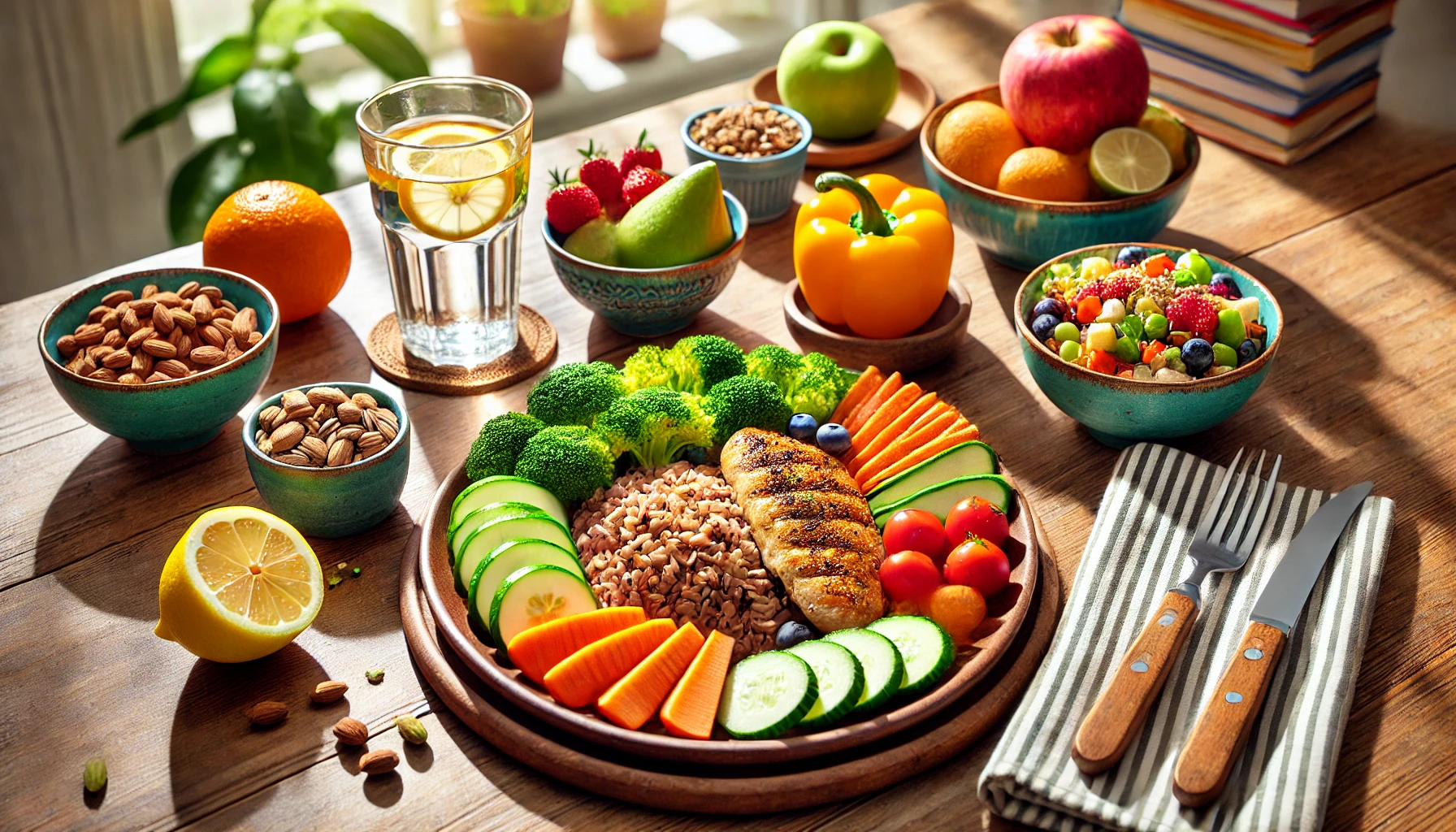
Balanced eating isn’t about strict dieting or cutting out your favorite foods—it’s about creating sustainable habits that nourish your body and mind. With the right balance of nutrients, you’ll have more energy, better focus, and improved overall well-being. In this article, we’ll explore the principles of balanced eating and share practical tips for incorporating them into your daily routine.
What Is Balanced Eating?
Balanced eating means consuming a variety of foods in the right proportions to meet your body’s nutritional needs. This includes:
- Carbohydrates: Your main source of energy (e.g., whole grains, fruits, vegetables).
- Proteins: Essential for muscle repair and growth (e.g., fish, chicken, beans, tofu).
- Fats: Necessary for energy and cell health (e.g., avocado, olive oil, nuts).
- Vitamins and Minerals: Support various bodily functions (e.g., fruits, vegetables, dairy).
- Water: Crucial for hydration and overall health.
A balanced diet is not about perfection—it’s about making smart, consistent choices.
The Importance of Balanced Eating
Eating a balanced diet offers numerous health benefits, including:
- Increased Energy Levels: Nutrient-rich foods help prevent fatigue and sluggishness.
- Weight Management: Balanced eating helps maintain a healthy weight without extreme dieting.
- Improved Digestion: Fiber from fruits, vegetables, and whole grains supports gut health.
- Stronger Immune System: Vitamins and minerals strengthen your body’s defense system.
- Better Mental Health: Certain nutrients, like omega-3 fatty acids, improve mood and brain function.
Key Components of a Balanced Plate
A well-balanced plate includes:
- 50% Fruits and Vegetables: Aim for a variety of colors to maximize nutrient intake.
- 25% Lean Proteins: Include sources like fish, eggs, chicken, or plant-based proteins.
- 25% Whole Grains: Opt for brown rice, quinoa, or whole-wheat pasta.
- Healthy Fats: Add avocado, olive oil, or nuts in moderation.
Tip: Avoid processed and sugary foods as they offer little nutritional value.
Practical Tips for Balanced Eating
Incorporate these habits into your daily routine:
- Plan Your Meals: Create a weekly meal plan to avoid unhealthy last-minute choices.
- Portion Control: Use smaller plates to prevent overeating.
- Cook at Home: Home-cooked meals allow you to control ingredients and portion sizes.
- Stay Hydrated: Sometimes thirst is mistaken for hunger—keep water nearby.
- Eat Mindfully: Chew slowly and enjoy your food without distractions.
Debunking Common Myths About Balanced Eating
There are many misconceptions about what it means to eat a balanced diet. Let’s clarify a few:
- Myth 1: Carbs are bad for you.
Truth: Complex carbs (e.g., whole grains) are essential for energy. - Myth 2: Fat-free foods are always healthier.
Truth: Healthy fats are important for nutrient absorption and brain health. - Myth 3: You must cut out all sweets.
Truth: Moderation is key—occasional treats are perfectly fine.
Healthy Snack Ideas for a Balanced Diet
Keep these healthy snacks on hand:
- Greek yogurt with berries
- Apple slices with peanut butter
- Carrot sticks with hummus
- Mixed nuts and dried fruits
- Whole-grain crackers with cheese
Making Balanced Eating a Lifelong Habit
Balanced eating isn’t about following short-term trends—it’s about creating habits you can maintain for life. Start with small, manageable changes and build from there.
- Try one new healthy recipe each week.
- Experiment with seasonal fruits and vegetables.
- Be kind to yourself—progress is better than perfection.
Your Health Starts on Your Plate
Balanced eating is one of the most powerful tools for improving your health and quality of life. By prioritizing variety, moderation, and consistency, you’ll build habits that fuel your body and mind for years to come.