
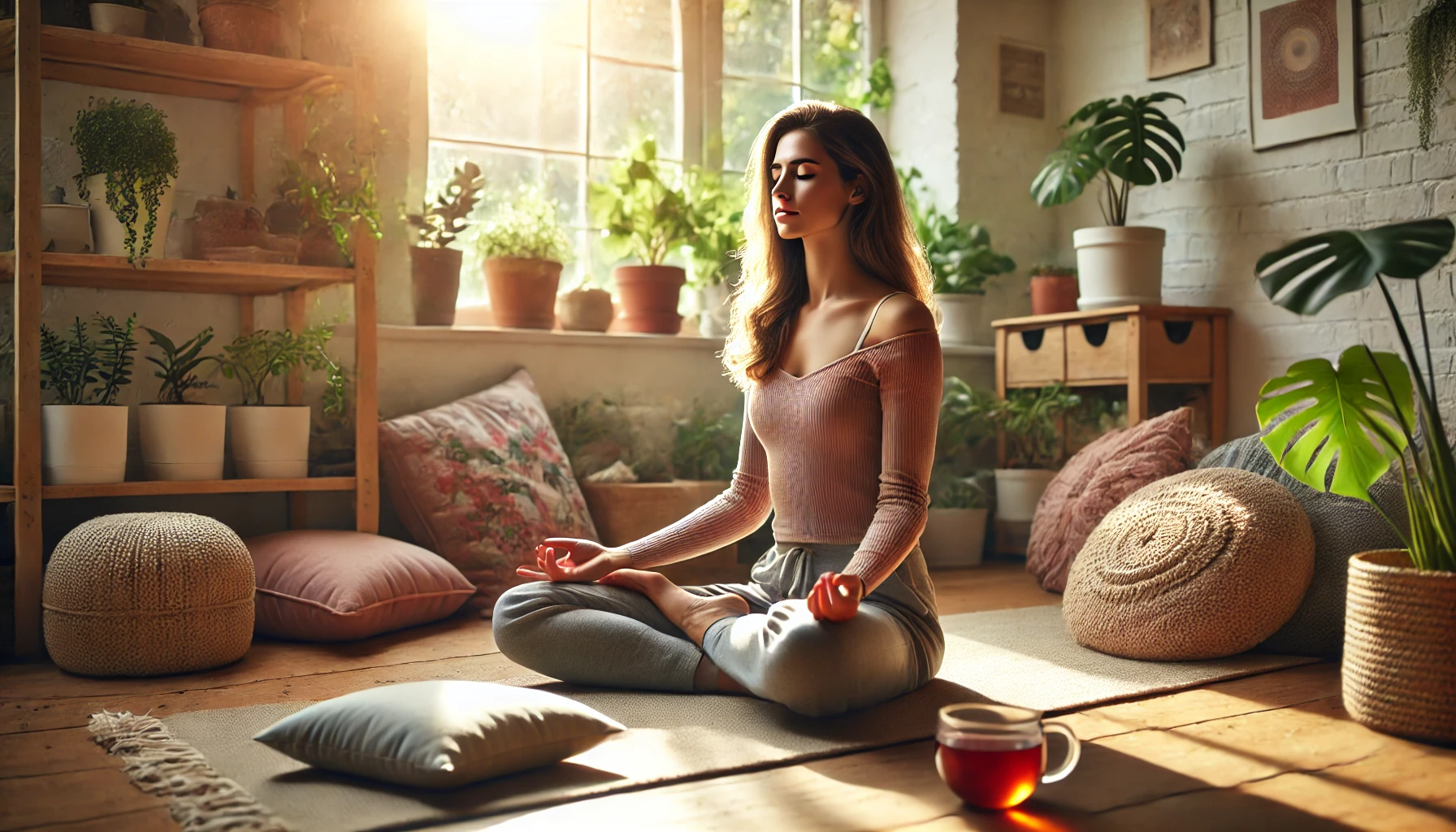
Stress has become an unavoidable part of modern life, affecting our physical and mental health. Fortunately, one of the most effective tools for managing stress is something we do naturally: breathing. In this article, we’ll explore powerful breathing exercises that can help you reduce stress, calm your mind, and improve your overall well-being.
The Science Behind Breathing and Stress Relief
When you’re stressed, your body enters a fight-or-flight response, causing shallow, rapid breathing. Deep breathing activates the parasympathetic nervous system, which helps calm your body, lower your heart rate, and reduce anxiety.
By practicing intentional breathing exercises, you can shift your body from a state of tension to one of relaxation.
1. Diaphragmatic Breathing (Belly Breathing)
What it is: A technique where you focus on breathing deeply into your diaphragm rather than shallowly into your chest.
How to do it:
- Sit or lie down comfortably.
- Place one hand on your chest and the other on your belly.
- Inhale deeply through your nose, letting your belly rise.
- Exhale slowly through your mouth.
- Repeat for 5–10 minutes.
Benefits: Reduces stress, improves oxygen flow, and lowers heart rate.
2. Box Breathing (Square Breathing)
What it is: A structured breathing technique used to regain focus and calm the mind.
How to do it:
- Inhale deeply through your nose for 4 counts.
- Hold your breath for 4 counts.
- Exhale slowly for 4 counts.
- Hold again for 4 counts.
- Repeat for 4–5 minutes.
Benefits: Enhances focus, reduces anxiety, and promotes mental clarity.
3. 4-7-8 Breathing Technique
What it is: A calming breathing method ideal for bedtime or moments of high stress.
How to do it:
- Inhale through your nose for 4 counts.
- Hold your breath for 7 counts.
- Exhale slowly through your mouth for 8 counts.
- Repeat for 4 cycles.
Benefits: Calms the nervous system, improves sleep, and reduces anxiety.
4. Alternate Nostril Breathing (Nadi Shodhana)
What it is: A yoga-based breathing technique to balance the body and mind.
How to do it:
- Sit comfortably and close your right nostril with your thumb.
- Inhale deeply through your left nostril.
- Close your left nostril with your ring finger and exhale through your right nostril.
- Alternate for 5 minutes.
Benefits: Reduces stress, enhances focus, and balances energy.
5. Resonance Breathing (Coherent Breathing)
What it is: A slow and steady breathing practice to regulate the heart rate.
How to do it:
- Inhale slowly for 5 seconds.
- Exhale slowly for 5 seconds.
- Repeat for 5–10 minutes.
Benefits: Reduces blood pressure, promotes relaxation, and balances emotions.
6. Lion’s Breath (Simhasana)
What it is: A yoga breathing exercise that releases tension and boosts energy.
How to do it:
- Inhale deeply through your nose.
- Open your mouth wide, stick out your tongue, and exhale forcefully with a loud “ha” sound.
- Repeat 3–5 times.
Benefits: Relieves facial and jaw tension, reduces stress, and promotes energy flow.
7. Mindful Breathing
What it is: A simple practice of focusing on your breath to stay present.
How to do it:
- Sit quietly in a comfortable position.
- Pay attention to your breath as it moves in and out of your nose.
- If your mind wanders, gently bring your focus back to your breath.
Benefits: Reduces anxiety, enhances self-awareness, and promotes inner peace.
When to Use Breathing Exercises
Breathing exercises can be practiced:
- In moments of stress or anxiety
- Before an important meeting or presentation
- Before bedtime to improve sleep quality
- During meditation or yoga sessions
Tips for Effective Breathing Exercises
- Practice in a quiet, comfortable space.
- Be consistent—dedicate a few minutes daily.
- Combine breathing exercises with other relaxation techniques like meditation or gentle stretching.
- Don’t force your breath; keep it natural and smooth.
Breathe Your Way to Calm
Breathing exercises are simple, accessible, and effective tools for reducing stress and improving mental clarity. With regular practice, they can become a powerful part of your self-care routine.
Take a deep breath—you deserve this moment of calm.